The one kind of crypto that might actually be useful

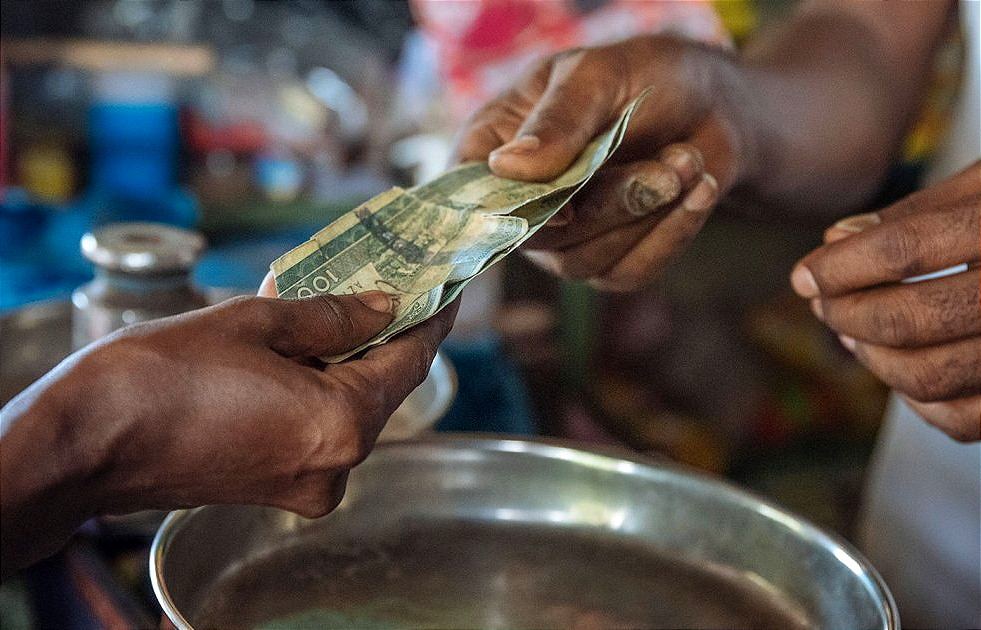
Before I even get started, I know that many of you may have already tuned out. Cryptocurrency? You mean the thing that gave birth to all those stupid NFTs of Bored Apes, and innumerable "rug pulls" where the founder of a coin disappeared with millions? The same thing Donald Trump and his family have used to steal, er... generate billions of dollars in alleged value? The thing where they don't even know who actually created it, or who controls a wallet with about $135 billion in Bitcoin still in it? (No, it's not the guy the New York Times says it was, or the guy who keeps claiming it was him, or the guy who was on the cover of Newsweek in 2014). Crypto is for hustle bros and drug deals on the Dark Web, right? Well, yes. But there is one area that actually interests me — and others — and it is stablecoins. I realize this isn't my usual kind of topic, but bear with me. I promise this is not a crypto newsletter and I am not selling anything!
First of all, what is a stablecoin? Simply put, it's a cryptocurrency that is backed by some other "fiat" currency, like the US dollar, or by some collection of assets with a stable value (such as gold). And what is the point? Well, the most obvious point is in the name: unlike most cryptocurrencies, which have no underlying value and therefore can be extremely volatile, the value of most stablecoins (theoretically at least) trades in a range determined by the underlying fiat currency. However, the hard part is that just because you issue some crypto backed by a certain amount of hard assets like US dollars doesn't mean that your currency is going to be as stable as you might want it to be. That's because — as with every other currency, including US dollars — the stability of a currency is based on the level of trust that investors have that the value it claims to have is still going to exist in the future. In other words, what the kids like to call "vibes."
A great example of this is the company that has become one of the biggest players in stablecoins, an outfit called Tether, which has a market capitalization of more than $100 billion, and controls an estimated 70 percent of the stablecoin market, which has been growing extremely quickly (according to a report from the International Monetary Fund, the trading volume of stablecoins increased by more than 90 percent in 2024, and that trading was worth about $23 trillion). Tether is not a new guy on the block: it was founded in 2014, and in 2019 it passed Bitcoin as the most traded cryptocurrency in the world. But despite (or perhaps because of) its size and market power, Tether has been a lot more volatile in the past than something called a stablecoin should be. Why? Because of concerns that it didn't have enough solid assets — either dollars, gold or US treasury certificates — to back up the value of all the cryptocurrency it had already issued.
Some of that nervousness came from the company itself — Tether's parent company is based in the British Virgin Islands and has an office in Switzerland. The idea behind it came from a white paper written by a programmer named J.R. Willett, but the company itself was cofounded by Brock Pierce, a former child actor and crypto advisor to Jeffrey Epstein. The company promised for a number of years that it would do an audit, but that has never happened (it did get a firm to produce a report, but it was not considered a full audit). Tether was also hacked at one point and lost about $30 million in coins, which didn't help build trust. There have also been suggestions from regulators that Tether coins were being used in money laundering and other unsavoury transactions. Things have settled down a little bit: In 2024, the CEO of Cantor Fitzgerald said his firm reviewed Tether's finances and it had $86 billion in assets, more than enough to back the value of coins issued, and the bulk of its assets were US treasuries.
Is any of that why I find stablecoins interesting? No. After a couple of decades of writing about the stock market and especially startups, I've had my fill of companies that seem dodgy and aren't open about their finances. The thing I find the most interesting about stablecoins is that there are a couple of clear and obvious uses for them, and it isn't swapping Bitcoins for Ether (although they are useful for that too). One of the uses for stablecoins becomes obvious as soon as you talk to someone from a country like Nigeria or Brazil or Turkey who has some knowledge of financial markets, or at least of the value of money. The "fiat" currencies in such countries are notoriously volatile and in some cases have little value for the things currencies are most useful for (in other words, buying things or saving for the future). Stablecoins give people in those countries the ability to invest in and use what — theoretically at least — are US dollars, without having to become a currency trader or open a foreign account.
Note: In case you are a first-time reader, or you forgot that you signed up for this newsletter, this is The Torment Nexus. Thanks for reading! You can find out more about me and this newsletter in this post. This newsletter survives solely on your contributions, so please sign up for a paying subscription or visit my Patreon, which you can find here. I also publish a daily email newsletter of odd or interesting links called When The Going Gets Weird, which is here.
Banks and roadblocks
A related benefit of stablecoins is that they are a way of getting around the innumerable roadblocks that countries, companies, and various financial entities such as banks and currency markets place on moving money across national borders, or converting from one currency to another. These rules — and fees — are in most cases a result of national and international laws around money laundering and proceeds of crime, but they are also a result of the fact that financial institutions have created a system that works for them, but not always for regular people. A few years ago, I tried to get the TD Bank in Canada to accept the deposit of a pay cheque in US dollars from my then-employer, Columbia University, and the bank manager confided to me that while this was theoretically possible, he had never heard of it actually working in his career at the bank. And this was between the US and Canada, not exactly Third World countries!
This kind of thing is why alternative money-transfer systems such as PayPal and Venmo have become so popular, and also exchange services like Wise, which offer dramatically lower fees than banks and traditional monetary exchanges, who typically cater to money-market funds and other professional traders. A report from the University of Cambridge found that one of the biggest positive aspects of stablecoins for ordinary folks — in addition to being able to invest in or hold US dollars rather than their dodgy local currency — was that transactions could be done outside banking hours, which have historically been almost comically inconvenient. Here's how a recent report from the IMF describes the appeal of stablecoins from a systemic point of view:
Stablecoins could enable faster and cheaper payments, particularly across borders and for remittances, where traditional systems are often slow and costly. International payments mostly travel through networks of commercial banks that have accounts with each other, known as correspondent banking. The use of multiple data formats, long process chains, and payment systems with different operating hours results in high costs, delays and less transparency. Some remittances can cost up to 20 percent of the amount being sent. Being a single source of information, blockchains can greatly simplify the processes linked with cross-border payments and reduce costs.
On a sidenote, the most efficient global money-movement method I have ever heard of is known as Hawala, and it dates back to the 8th century: money is moved across thousands of miles and through different countries based on what amounts to word of mouth. If you want to send money to your mom in Mumbai and you are in the US, you make contact with a hawaladar (who might run a store or some other unrelated business) and give them the money, along with a password. After a series of related transactions — which all happen between people, not institutions, based solely on word of mouth rather than promissory notes — your mom provides the password and gets the money. The hawaladars work out a system for repayment between themselves. This system is estimated to move hundreds of billions of dollars every year, and not surprisingly, it is also suspected of being a system for money laundering and financing a variety of unsavoury enterprises.
Over the past few years, stablecoins have evolved from being a somewhat dodgy Bitcoin-trading system to something that the IMF and others are looking at as a practical way to address some of the issues with moving money between countries. The US Congress passed the so-called GENIUS Act last year (formally known as the Guiding and Establishing National Innovation for U.S. Stablecoins Act, because Congress loves acronyms) which established a process for the issuance and regulation of stablecoins, including requirements for collateral. The Federal Deposit Insurance Corporation has come out with new rules for such a system as well, as has the Treasury Department.
Reducing friction
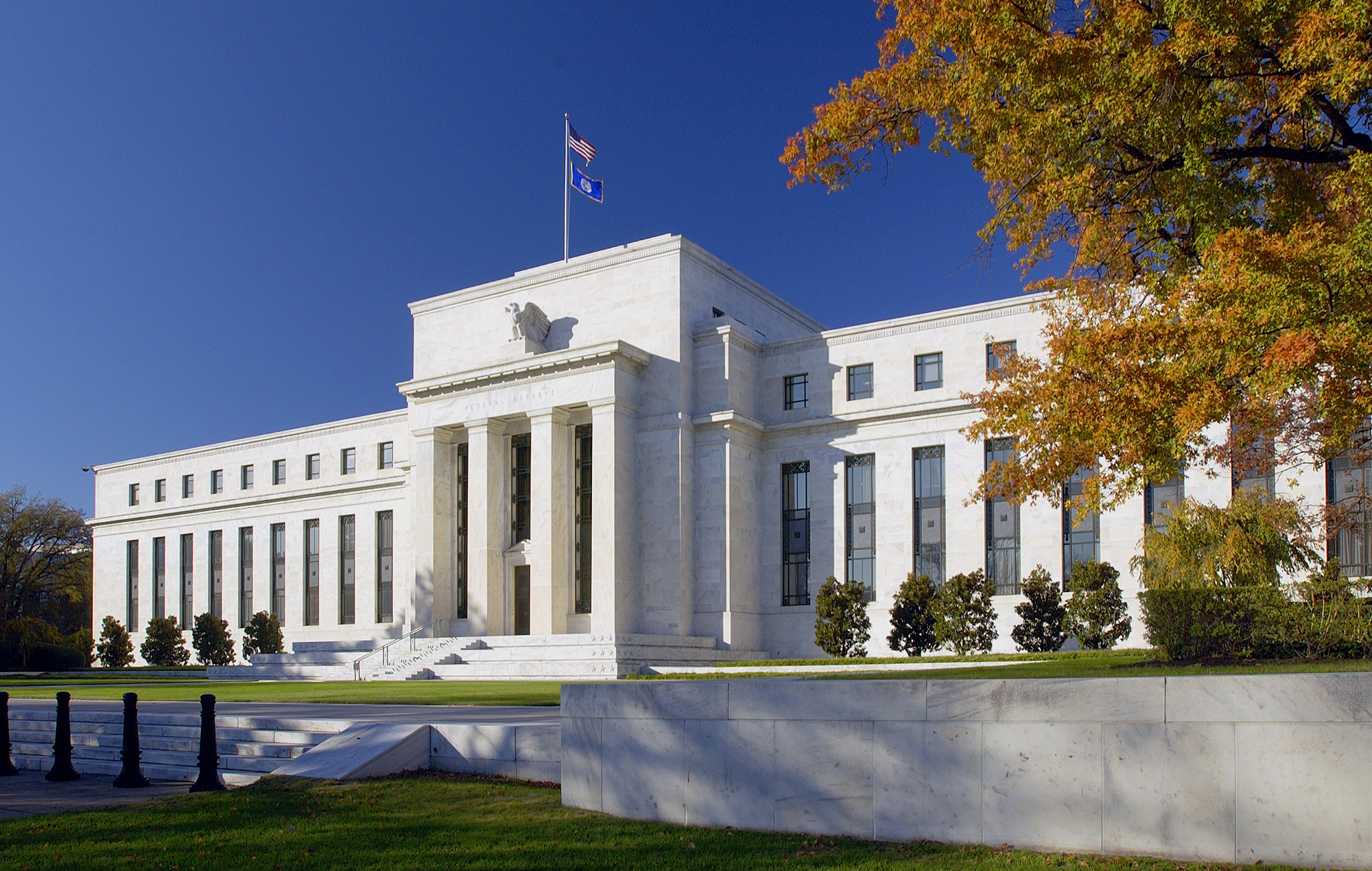
The Federal Reserve wrote about stablecoins earlier this year and said they could help "reduce friction" in the international monetary system in some important ways. Cross-border payments are generally slower, more expensive, and not very transparent to end-users relative to domestic payments, the Fed says. The G20 has made enhancing cross-border payments a key priority, and has identified a number of areas of significant friction, including the length of what are called "payment chains," which involve multiple intermediaries, each of who charges fees and takes time to process transactions, all of which is passed on to end users.
The US government is not the only one moving forward with making stablecoins an official part of the monetary system: Hong Kong and Switzerland are both working on regulations as well. The Canadian government has proposed a legislated stablecoin framework, which would help to legalize the practice and require that stablecoin issuers meet certain criteria, be verified by the central bank, etc. The Bank of England has said it is working on similar legislation. The UK central bank also says it is considering a related offering: a CBDC or central bank digital currency, which is effectively a stablecoin or digital banknote issued by the government rather than a private bank or corporation like Tether. There are links to what individual nations are doing in this area here.
Pymnts, an online magazine that writes about new developments in financial systems and other related topics, put it this way:
The era of legal ambiguity surrounding stablecoins officially appears to be ending. [They] are entering a phase where their scale, design and risk profile must be evaluated not as crypto novelties but as systemic financial tools. The challenge ahead will likely lie in balancing innovation with stability. But there is also a broader strategic question emerging about the role of stablecoins in the financial system. Are they primarily a means of enhancing existing payment infrastructure, or do they represent a more fundamental shift toward programmable money and decentralized settlement?
This last question is another part of what interests me about stablecoins: what kinds of ripple effects are going to be seen throughout the current payment and banking system? I think it's axiomatic that at least some of the interest that banks and other financial interests are showing in stablecoins is because these financial giants are concerned about losing their grip on international payments and all the revenue that comes from them. Under current proposals from the Federal Reserve and others, existing banks and financial entities would have to act as intermediaries for stablecoins, to provide regulatory oversight, etc. so they will likely still be involved — but the nature and extent (and profitability) of that involvement may change. What happens to MasterCard and American Express and other vehicles? Paypal and Venmo and Stripe have already eaten into that side of the payment system, for obvious reasons. That is likely to continue.
Billionaire Stanley Druckenmiller said recently that he believes stablecoins and blockchain-based tokens could form the backbone of the global payments system within the next decade. “I assume our whole payment systems will be stablecoins in 10 or 15 years,” he said in an interview with Morgan Stanley, adding that the technology offers faster and cheaper settlement compared with traditional payment infrastructure. Obviously there is plenty that needs to happen before stablecoins and other instruments like them become a significant part of the way normal people move money, but we seem to be heading in that direction. And that is about as far away from the shady world of crypto as it's possible to get, while maintaining the strengths of having a digital currency.
Got any thoughts or comments? Feel free to either leave them here, or post them on Substack or on my website, or you can also reach me on Twitter, Threads, BlueSky or Mastodon. And thanks for being a reader.